Who we are
We built Clairsyn because organisations deserve to see the real picture before deciding what to change.
The question that started this
Clairsyn began with a question about how our different skills and experience could come together to help organisations prepare for the future. We researched the changes organisations are likely to face over the next ten years, including AI, workforce expectations, sustainability, data, governance and the future of work. The further we looked into the future, the more often we returned to the same conclusion: many organisations do not yet have the fundamentals, systems and organisational connections needed to absorb what is coming.
The greatest risks were not always the emerging technologies or external pressures themselves. They were the existing systems that were not strong enough to absorb, govern or respond to them. Strategies were disconnected from daily work. Important knowledge was concentrated in a few people. Technology and data foundations had not kept pace. Incentives were producing behaviours that worked against stated objectives. Governance, leadership and employees were often operating from different understandings of the same organisation.
Why trust us
Between us we have spent about forty years inside other people's organisations. Government departments, banks, schools, charities, mining sites, start-ups, a hospitality group, a national programme office. Different sectors, different countries, very different budgets.
The same thing kept happening.
We would arrive to fix something specific, and within about a fortnight it would become obvious that the specific thing was not the problem. The problem was that nobody had an accurate picture of the organisation. The board had one version, the executive had another, and the people doing the work had a third, and none of them knew how far apart they were until something broke and the distance became visible all at once.
We kept watching good people work extremely hard inside systems that were never set up to let them succeed. And we kept watching organisations spend money on the wrong problem because the right one had never been named out loud.
That is why this exists. Not to predict anyone's future, but to give them an honest enough picture of the present that they can do something about it while there is still time.
The founders
Good people, working hard, in systems that weren't set up to let them succeed.
Deserae and Ben spent their careers inside complex organisations and kept seeing the same pattern. Clairsyn exists to name it early enough to do something about it.
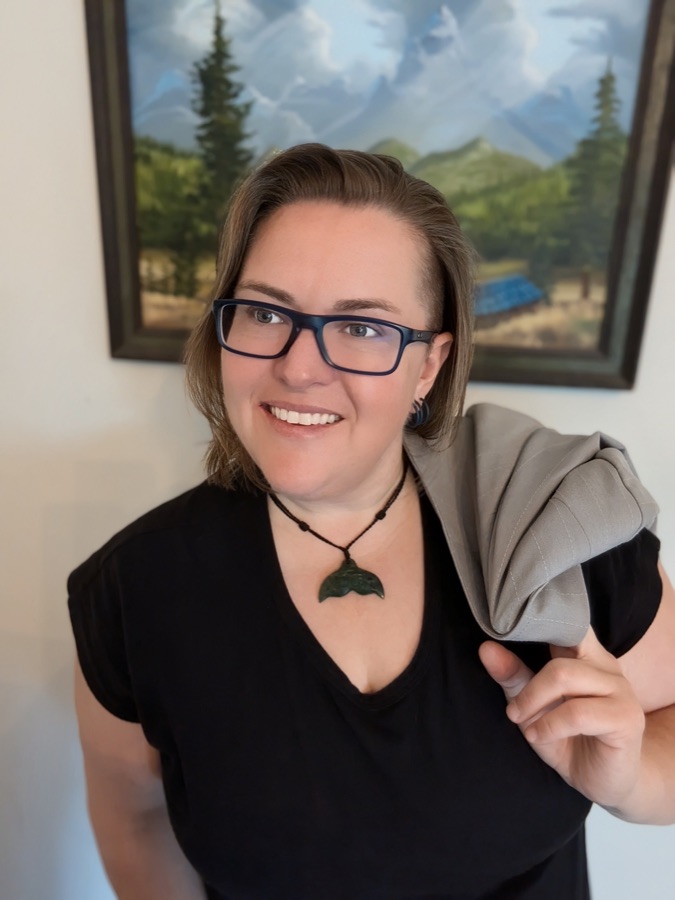
Deserae Frisk
Co-Director- Board director, IoD
- Governance
- Portfolio & PMO
- Change adoption
Deserae is an integrative leader, governance practitioner, and systems thinker with more than two decades of experience across corporate, government, education, and purpose led organisations in Aotearoa and the United States.
She works where strategy, governance, organisational systems, and people meet. She has established enterprise portfolio functions, directed strategic initiatives valued at over NZD 20 million, and led complex transformation across financial services, government, education, small business, and the nonprofit sector.
Deserae holds a Master of Public Administration and a Bachelor of Arts with Honours in Sociology. She is a full member of the Institute of Directors, a Trustee of Trust Waikato, and a graduate of CELF's Leadership Waikato Programme.
At Clairsyn, she helps boards and leaders see the systemic causes beneath visible organisational symptoms, make difficult realities discussable, and strengthen the foundations required for sustainable change and future readiness.
Part strategist. Part builder. All about impact.
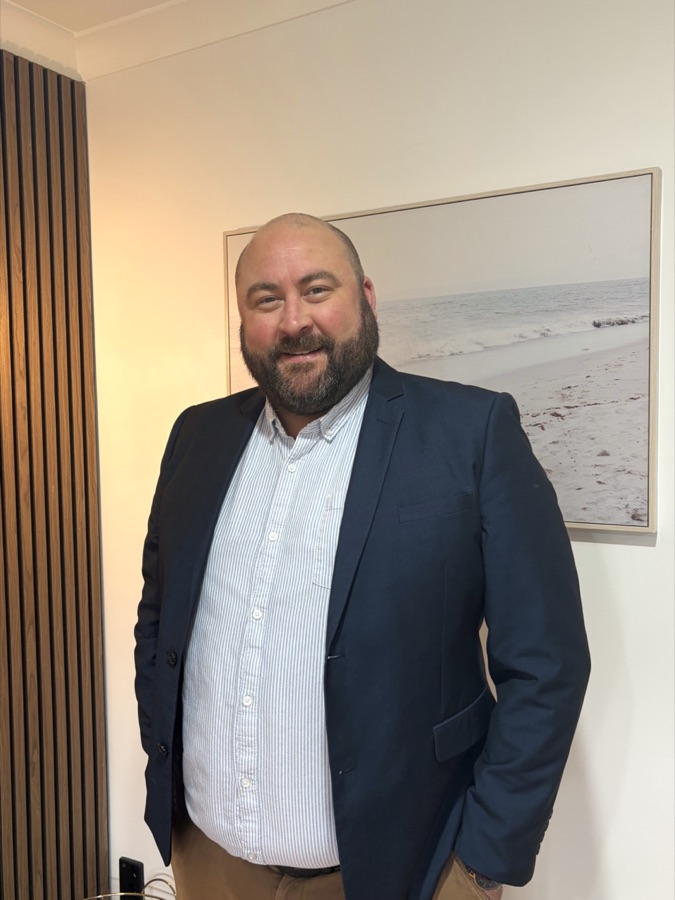
Ben Ansel
Co-Director- Operations
- Applied innovation
- International experience
- Sustainability reporting
- GRI and SDG indicators
Operations is where strategy either becomes real or quietly does not. I have seen brilliant plans die because nobody checked whether the organisation had the capacity to absorb them, and I have seen ordinary plans succeed because someone did. That gap between intent and capacity is what this diagnostic measures, and it is the thing I find genuinely interesting.
I also work in sustainability and impact reporting, mapping GRI indicators against the Sustainable Development Goals. That matters here because the fourth pillar is not decoration. Organisations are being asked to evidence their impact by customers and regulators who will not accept an assertion, and most of them have no function that can answer.
Part strategist. Part leader. All about impact.
You work directly with senior people on this, not a team of juniors learning on your budget.
And we will tell you when we are not the right answer. If the diagnostic points at work we do not do well, we will say so and point you at someone who does. That costs us engagements and we are fine with it.
What we actually believe
- That most organisations do not fail for lack of effort. They fail because they never saw the real picture clearly enough to act on it.
- That the people closest to a problem usually already know. What they lack is a safe, structured way to say so, and evidence that makes it hard to dismiss.
- That naming something honestly is harder than measuring it, and that the naming is where the value is.
- And that if we are any good at this, a client should need us less over time, not more.
- Preparing for the future starts with seeing the present clearly.
- Organisations are systems. Behaviour follows the conditions around it.
- People closest to the work often hold knowledge the formal system cannot surface.
- Diagnosis should not bend toward the provider's preferred solution.
- Good consulting should reduce dependency over time.
Our story
Deserae is drawn to the patterns beneath organisational life: how governance, incentives, relationships, technology and the design of work shape what people are able to do. Her personal why is to help people recognise and use their distinctive strengths, then bring those strengths together in service of something greater than any one person could achieve alone. For her, that is not separate from organisational performance. It is a test of whether the surrounding system gives people the clarity, trust and conditions to contribute what they do best. She brings that lens to the difficult space between what an organisation intends and what its systems make possible.
Ben looks at whether strategic ambition can hold up in practice. He brings an operational lens to capacity, sustainability, technology and delivery, asking what must be true for change to work in the real organisation, not only on paper. His perspective keeps Clairsyn grounded in what can be implemented, supported and sustained.
Together, we look at an organisation from different directions and have seen the same things from different heights. That difference is part of the method. We test assumptions, follow the connections and work toward an explanation that accounts for the whole system before recommending what should change.
Founder video, coming soon
We would rather tell you the truth and lose the engagement than keep it by being comfortable.
The name
Clear sight, careful guardianship.
Pronounced CLAIR-seen.
Clairsyn brings together “clair”, meaning clear or bright, “sýn”, associated with sight or vision, and the Greek root “syn”, meaning together. The name also evokes Syn, the Norse figure associated with guarding a threshold and refusing unsupported claims. For Clairsyn, those ideas become clear sight, careful guardianship and seeing together.